Pakistan’s power sector is facing a striking contradiction. On one side, hydropower generation has crossed 7,000 MW during the monsoon as higher river flows have improved water availability. On the other, Punjab is reportedly facing a power shortfall of up to 4,000 MW, with load shedding increasing in several areas. The central question is simple: if Pakistan has access to large amounts of relatively low cost hydropower, why does the country continue to depend so heavily on thermal generation?
Pakistan has an installed power generation capacity of around 49,651 MW. However, installed capacity does not mean that the same amount of electricity is available to the national grid at all times. Actual generation depends on fuel availability, water levels, plant performance, transmission capacity and the financial health of the power sector.
The reported shortfall in Punjab highlights this gap between installed capacity and actual generation. Shortages of gas and oil have reportedly forced several power plants to operate below capacity, reducing electricity available to the grid and increasing load shedding across parts of the province. Lahore has also reportedly faced a shortfall of more than 1,000 MW in the distribution system.
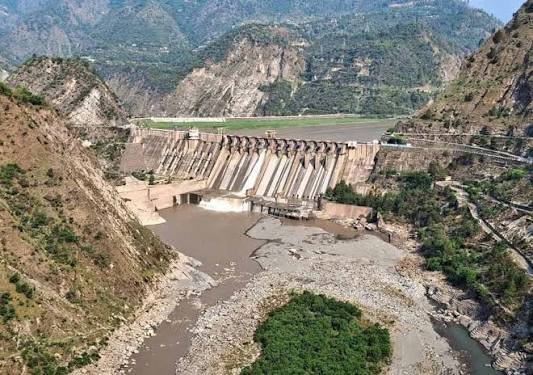
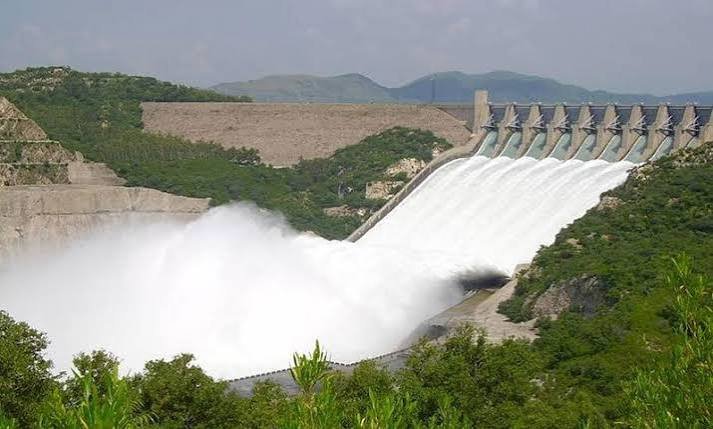
The situation becomes more significant because hydropower generation has been rising at the same time. Higher monsoon river flows have boosted production from major projects including Tarbela, Mangla, Ghazi Barotha, Warsak and Chashma.
Hydropower has a major cost advantage. Once a hydropower project is built, its generation does not require a continuous supply of expensive imported fuel in the same way that oil and gas based plants do. When water is available, hydropower can therefore provide large volumes of relatively low cost electricity and reduce the need for expensive thermal generation.
The problem, however, is not simply a lack of generating capacity. It is the way Pakistan manages and balances its different sources of electricity.
Thermal power remains an important part of the national electricity system because it can provide dispatchable generation when demand rises or when other sources are unavailable. But the cost becomes a major concern when thermal plants have to operate extensively despite the availability of cheaper alternatives.
Pakistan’s dependence on thermal generation also creates vulnerability to fuel supply disruptions. If gas or oil is unavailable, thermal plants cannot operate at full capacity regardless of how much installed capacity exists on paper. This is precisely why the country can have nearly 49,651 MW of installed generation capacity and still experience significant shortages.
Hydropower presents a different challenge. Its availability depends heavily on seasonal water flows. During the monsoon, river levels increase and hydropower output can rise sharply. During drier periods, generation can decline. This means hydropower cannot simply replace every other source of electricity throughout the year.
The solution therefore is not to eliminate thermal power, but to use each generation source according to its economic and operational advantage. Hydropower should be maximised when water is available, while thermal generation should increasingly serve as a balancing and backup source where economically practical.
This makes investment in water storage particularly important. Projects such as Tarbela and Mangla can play a greater role in managing seasonal water availability, while expansion and rehabilitation of existing hydropower facilities can increase output without requiring an entirely new generation system.
Pakistan also needs stronger transmission infrastructure. Producing cheap electricity is not enough if the power cannot be transported efficiently to areas where demand is highest. Better transmission planning can allow more hydropower to reach major consumption centres and reduce the need for expensive local thermal generation.
The current situation therefore raises a broader policy question. Pakistan does not necessarily have a simple shortage of power plants. It has a shortage of reliable and affordable electricity at the right place and the right time.
If hydropower can exceed 7,000 MW during the monsoon while Punjab simultaneously faces a reported shortfall of up to 4,000 MW, the challenge clearly goes beyond generation capacity. Fuel supply, water management, transmission constraints, plant utilisation and sector finances all matter.
For Pakistan, the strategic priority should be to make maximum use of the cheapest available sources while maintaining enough flexible generation to protect the grid during periods of low water availability.
The real question for policymakers is therefore not simply how to generate more electricity. It is how to ensure that the electricity Pakistan already has, particularly low cost hydropower, is used as efficiently as possible before turning to more expensive thermal generation.
That shift could have a direct impact on electricity costs, industrial competitiveness and Pakistan’s long term energy security.
Published: August 31, 2026 - 4:10 PM
Why Do We Still Prefer Thermal Power When Hydropower Is Cheaper and Available?
سستی اور دستیاب ہائیڈل بجلی کے ہوتے ہم تھرمل بجلی کو ترجیح کیوں دیتے ہیں؟
▫️Muhammad Faisal Sulehria
Pakistan’s power sector is facing a striking contradiction. On one side, hydropower generation has crossed 7,000 MW during the monsoon as higher river flows have improved water availability. On the other, Punjab is reportedly facing a po...