ReNews Pakistan
← Back to home

Real Estate Insights

27 news articles

Punjab’s Idle Public Assets: Can Government Property Become a New Source of Revenue and Development?

Punjab’s Idle Public Assets: Can Government Property Become a New Source of Revenue and Development?

▫️Muhammad Faisal Sulehria

Punjab’s decision to establish a dedicated authority for identifying, managing and generating value from underused public assets could represent an important development for both the province’s real estate sector and its public finances....

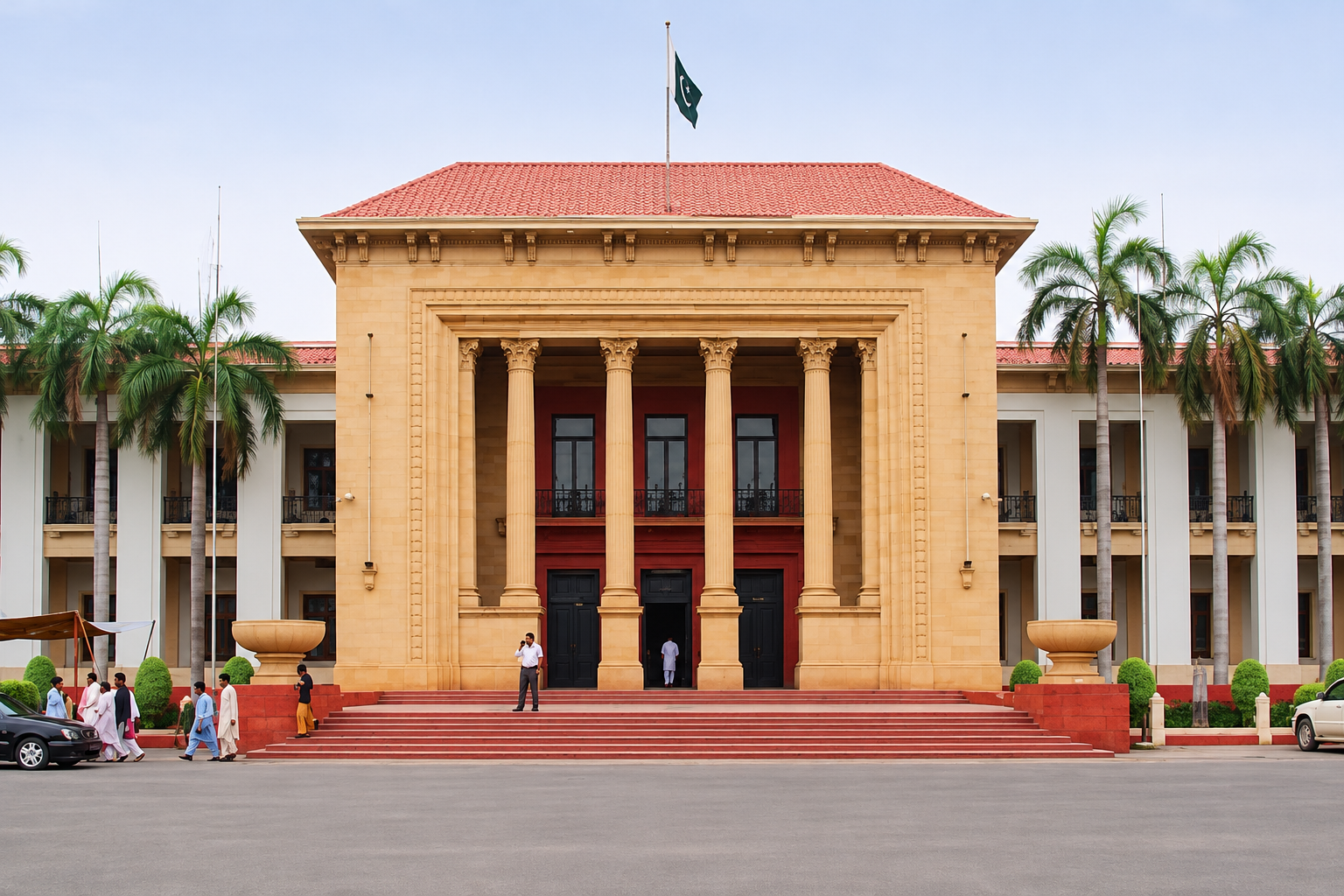
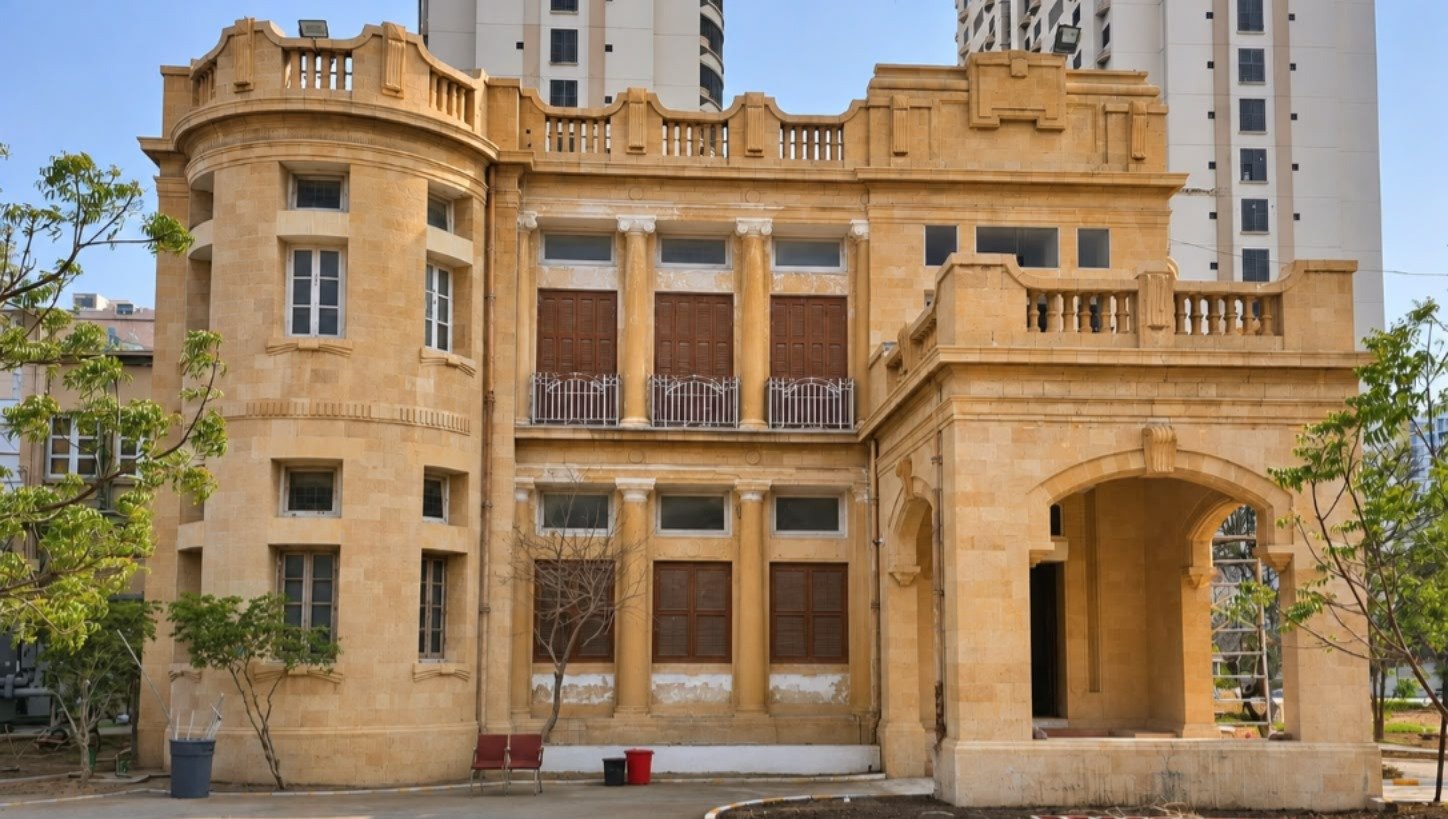
Punjab’s decision to establish a dedicated authority for identifying, managing and generating value from underused public assets could represent an important development for both the province’s real estate sector and its public finances. Government land, buildings and other properties are spread across provincial departments, autonomous institutions and public organisations. Some assets remain underutilised, some may be affected by encroachment or informal occupation, while others may not have been properly assessed for their current market value or future development potential.
At a time when the province faces continuing financial demands for infrastructure, urban development, education, healthcare and other public services, improving the management of existing government property could become an important economic strategy. The proposed Punjab Assets Management Authority could provide a mechanism for treating public land and property not simply as entries in departmental records, but as assets with economic, social and development potential.
One of the most important elements of the proposed framework is the development of a comprehensive digital inventory supported by a GIS based database. In a province as large as Punjab, asset records may be scattered across different departments and administrative systems. Ownership of a property may be recorded by one institution, its use may be controlled by another and its administrative management may fall under a third authority. A central digital system could help create a clearer picture of public assets by identifying their location, legal status, current use and possible market value.
However, improving asset management should not mean selling every valuable government property. A modern asset management strategy must determine the highest and most appropriate use of each asset. Some land may be needed for future hospitals, schools, parks, transport infrastructure or other public services. Other properties could generate long term value through leasing, joint development projects or partnerships with private investors.
From a real estate perspective, a more organised approach to government assets could also create new investment opportunities. Underused land in major urban centres may have potential for commercial, residential, industrial or mixed use development. Instead of selling land outright, the government could retain ownership of strategically important property while allowing private developers to participate in construction and operations. Such arrangements could create economic activity and recurring revenue while preserving long term public ownership.
The greatest test for the entire initiative, however, will be transparency. Government property is politically and economically sensitive, particularly when valuable land or commercial assets are involved. If valuations are not conducted independently or if disposal and leasing decisions are not carried out through open and competitive procedures, the reform could quickly lose public confidence.
Major transactions should therefore be supported by clear public information. Market valuations, valuation methods, reserve prices, bidding rules, successful bidders and final financial terms should be open to scrutiny. A digital platform could help make information about important assets and transactions more accessible, strengthening both public accountability and investor confidence.
Accountability should also extend beyond annual financial audits. The performance of the authority should be measured through clear and publicly available results. How many assets have been identified? How much land has been surveyed? How many encroached properties have been recovered? How many development projects have been approved, and how much revenue has been generated? Regular quarterly or semiannual reports could provide answers to these questions and allow citizens to assess whether the authority is creating real value or simply adding another layer to the provincial bureaucracy.
There is also a significant institutional risk. Pakistan has seen a number of reform bodies and task forces launched with ambitious objectives but weakened by overlapping authority, bureaucratic resistance, political intervention and poor implementation. To avoid the same outcome, the Punjab Assets Management Authority will require clear legal powers, effective access to information and professional expertise in real estate, finance, urban planning, law, valuation and technology.
Ultimately, the authority should be judged not by its establishment but by its results. If Punjab succeeds in developing a comprehensive record of public assets, determining their actual value, recovering encroached property and converting underused assets into transparent sources of revenue or public benefit, the initiative could become an important reform in provincial real estate and financial management.
If transparency weakens or the institution becomes another administrative layer without measurable outcomes, however, a significant opportunity could be lost.
The concept of transforming Punjab’s underused public assets into a more productive portfolio is strong. Its real success will depend on accurate records, independent valuation, transparent decision making, effective oversight and measurable results.

Punjab's Plan to Develop 120 Model Villages: A New Approach to Rural Infrastructure

Punjab's Plan to Develop 120 Model Villages: A New Approach to Rural Infrastructure

▫️ Muhammad Faisal Sulehria

The Punjab government's decision to approve a pilot programme for developing 120 model villages represents a significant policy initiative aimed at improving rural infrastructure, sanitation and basic public facilities.

World Habitat Day: Three Billion People Worldwide Deprived of Adequate Housing. Why?

World Habitat Day: Three Billion People Worldwide Deprived of Adequate Housing. Why?

▫️ Muhammad Faisal Sulehria

World Habitat Day 2026 has been observed against the backdrop of a deepening global housing crisis in which safe, adequate and affordable shelter remains beyond the reach of billions of people.

10 Years Since Panama Papers, Offshore Secrecy Infrastructure Still Remains

10 Years Since Panama Papers, Offshore Secrecy Infrastructure Still Remains

▫️ Muhammad Faisal Sulehria

Ten years have passed since the Panama Papers exposed the scale and complexity of the global offshore financial system, yet the basic infrastructure that enables financial secrecy and anonymous ownership has not been completely dismantled.

New Provinces or Stronger Local Government? Pakistan Must Fix Governance Before Redrawing Its Map

New Provinces or Stronger Local Government? Pakistan Must Fix Governance Before Redrawing Its Map

▫️Muhammad Faisal Sulehria

Smaller provinces may improve administrative access, but without meaningful political, financial and administrative devolution, Pakistan risks creating more centres of power rather than bringing government closer to citizensPakistan’s go...

World Bank Downgrades Pakistan’s Barrage Project Over Weak Institutional Performance

World Bank Downgrades Pakistan’s Barrage Project Over Weak Institutional Performance

▫️ Muhammad Faisal Sulehria

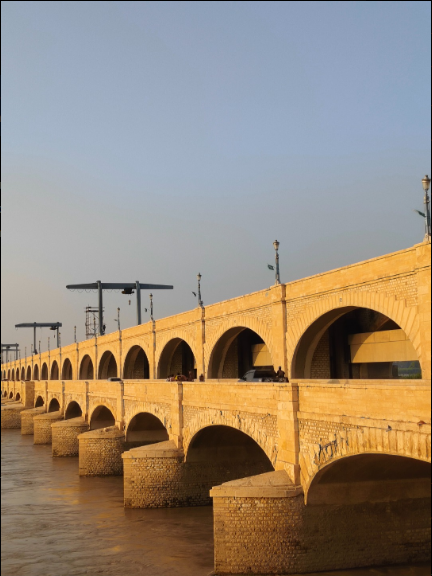
The $314.93 million Sindh Barrages Improvement Project has made substantial progress on physical rehabilitation and modernisation works at Guddu and Sukkur barrages. Yet the World Bank has downgraded the project’s development objective a...

Indus Waters Treaty : A Legal Boost for Pakistan’s Position and Growing Questions for India

Indus Waters Treaty : A Legal Boost for Pakistan’s Position and Growing Questions for India

▫️Muhammad Faisal Sulehria

The Hague arbitration findings reinforce the treaty’s legal status and underline the importance of international agreements in managing water disputes between Pakistan and IndiaThe Indus Waters Treaty is far more than an agreement dividi...

Why Do We Still Prefer Thermal Power When Hydropower Is Cheaper and Available?

Why Do We Still Prefer Thermal Power When Hydropower Is Cheaper and Available?

▫️Muhammad Faisal Sulehria

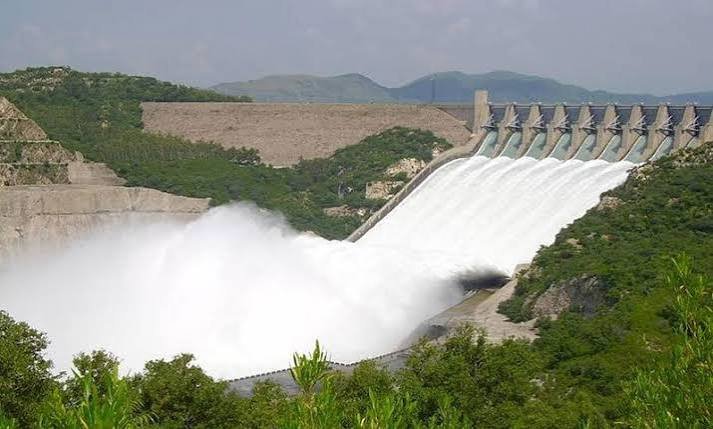
Pakistan’s power sector is facing a striking contradiction. On one side, hydropower generation has crossed 7,000 MW during the monsoon as higher river flows have improved water availability. On the other, Punjab is reportedly facing a po...

Solar Power Reaches 27% of Total Generation, Transforming the Traditional Infrastructure Model

Solar Power Reaches 27% of Total Generation, Transforming the Traditional Infrastructure Model

▫️Muhammad Faisal Sulehria

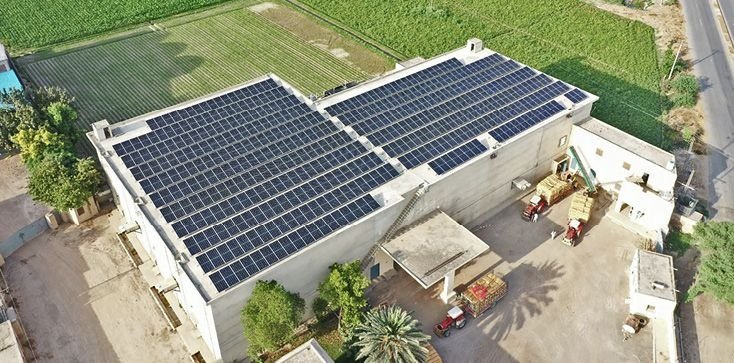
Pakistan’s rapidly expanding rooftop and distributed solar market is beginning to reshape not only the country’s energy system but also the economics of residential, commercial and industrial property. According to new analysis by the Pa...

Punjab’s Idle Public Assets: Can Government Property Become a New Source of Revenue and Development?

Punjab’s Idle Public Assets: Can Government Property Become a New Source of Revenue and Development?

▫️Muhammad Faisal Sulehria

Punjab’s decision to establish a dedicated authority for identifying, managing and generating value from underused public assets could represent an important development for both the province’s real estate sector and its public finances....


Punjab’s decision to establish a dedicated authority for identifying, managing and generating value from underused public assets could represent an important development for both the province’s real estate sector and its public finances. Government land, buildings and other properties are spread across provincial departments, autonomous institutions and public organisations. Some assets remain underutilised, some may be affected by encroachment or informal occupation, while others may not have been properly assessed for their current market value or future development potential.
At a time when the province faces continuing financial demands for infrastructure, urban development, education, healthcare and other public services, improving the management of existing government property could become an important economic strategy. The proposed Punjab Assets Management Authority could provide a mechanism for treating public land and property not simply as entries in departmental records, but as assets with economic, social and development potential.
One of the most important elements of the proposed framework is the development of a comprehensive digital inventory supported by a GIS based database. In a province as large as Punjab, asset records may be scattered across different departments and administrative systems. Ownership of a property may be recorded by one institution, its use may be controlled by another and its administrative management may fall under a third authority. A central digital system could help create a clearer picture of public assets by identifying their location, legal status, current use and possible market value.
However, improving asset management should not mean selling every valuable government property. A modern asset management strategy must determine the highest and most appropriate use of each asset. Some land may be needed for future hospitals, schools, parks, transport infrastructure or other public services. Other properties could generate long term value through leasing, joint development projects or partnerships with private investors.
From a real estate perspective, a more organised approach to government assets could also create new investment opportunities. Underused land in major urban centres may have potential for commercial, residential, industrial or mixed use development. Instead of selling land outright, the government could retain ownership of strategically important property while allowing private developers to participate in construction and operations. Such arrangements could create economic activity and recurring revenue while preserving long term public ownership.
The greatest test for the entire initiative, however, will be transparency. Government property is politically and economically sensitive, particularly when valuable land or commercial assets are involved. If valuations are not conducted independently or if disposal and leasing decisions are not carried out through open and competitive procedures, the reform could quickly lose public confidence.
Major transactions should therefore be supported by clear public information. Market valuations, valuation methods, reserve prices, bidding rules, successful bidders and final financial terms should be open to scrutiny. A digital platform could help make information about important assets and transactions more accessible, strengthening both public accountability and investor confidence.
Accountability should also extend beyond annual financial audits. The performance of the authority should be measured through clear and publicly available results. How many assets have been identified? How much land has been surveyed? How many encroached properties have been recovered? How many development projects have been approved, and how much revenue has been generated? Regular quarterly or semiannual reports could provide answers to these questions and allow citizens to assess whether the authority is creating real value or simply adding another layer to the provincial bureaucracy.
There is also a significant institutional risk. Pakistan has seen a number of reform bodies and task forces launched with ambitious objectives but weakened by overlapping authority, bureaucratic resistance, political intervention and poor implementation. To avoid the same outcome, the Punjab Assets Management Authority will require clear legal powers, effective access to information and professional expertise in real estate, finance, urban planning, law, valuation and technology.
Ultimately, the authority should be judged not by its establishment but by its results. If Punjab succeeds in developing a comprehensive record of public assets, determining their actual value, recovering encroached property and converting underused assets into transparent sources of revenue or public benefit, the initiative could become an important reform in provincial real estate and financial management.
If transparency weakens or the institution becomes another administrative layer without measurable outcomes, however, a significant opportunity could be lost.
The concept of transforming Punjab’s underused public assets into a more productive portfolio is strong. Its real success will depend on accurate records, independent valuation, transparent decision making, effective oversight and measurable results.
Punjab's Plan to Develop 120 Model Villages: A New Approach to Rural Infrastructure

Punjab's Plan to Develop 120 Model Villages: A New Approach to Rural Infrastructure

▫️ Muhammad Faisal Sulehria

The Punjab government's decision to approve a pilot programme for developing 120 model villages represents a significant policy initiative aimed at improving rural infrastructure, sanitation and basic public facilities.

World Habitat Day: Three Billion People Worldwide Deprived of Adequate Housing. Why?

World Habitat Day: Three Billion People Worldwide Deprived of Adequate Housing. Why?

▫️ Muhammad Faisal Sulehria

World Habitat Day 2026 has been observed against the backdrop of a deepening global housing crisis in which safe, adequate and affordable shelter remains beyond the reach of billions of people.

10 Years Since Panama Papers, Offshore Secrecy Infrastructure Still Remains

10 Years Since Panama Papers, Offshore Secrecy Infrastructure Still Remains

▫️ Muhammad Faisal Sulehria

Ten years have passed since the Panama Papers exposed the scale and complexity of the global offshore financial system, yet the basic infrastructure that enables financial secrecy and anonymous ownership has not been completely dismantled.

New Provinces or Stronger Local Government? Pakistan Must Fix Governance Before Redrawing Its Map

New Provinces or Stronger Local Government? Pakistan Must Fix Governance Before Redrawing Its Map

▫️Muhammad Faisal Sulehria

Smaller provinces may improve administrative access, but without meaningful political, financial and administrative devolution, Pakistan risks creating more centres of power rather than bringing government closer to citizensPakistan’s go...

World Bank Downgrades Pakistan’s Barrage Project Over Weak Institutional Performance

World Bank Downgrades Pakistan’s Barrage Project Over Weak Institutional Performance

▫️ Muhammad Faisal Sulehria

The $314.93 million Sindh Barrages Improvement Project has made substantial progress on physical rehabilitation and modernisation works at Guddu and Sukkur barrages. Yet the World Bank has downgraded the project’s development objective a...

Indus Waters Treaty : A Legal Boost for Pakistan’s Position and Growing Questions for India

Indus Waters Treaty : A Legal Boost for Pakistan’s Position and Growing Questions for India

▫️Muhammad Faisal Sulehria

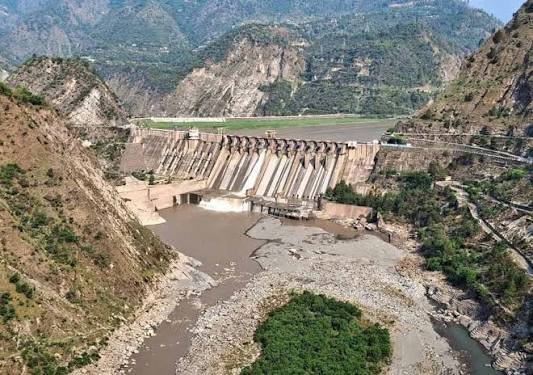
The Hague arbitration findings reinforce the treaty’s legal status and underline the importance of international agreements in managing water disputes between Pakistan and IndiaThe Indus Waters Treaty is far more than an agreement dividi...

Why Do We Still Prefer Thermal Power When Hydropower Is Cheaper and Available?

Why Do We Still Prefer Thermal Power When Hydropower Is Cheaper and Available?

▫️Muhammad Faisal Sulehria

Pakistan’s power sector is facing a striking contradiction. On one side, hydropower generation has crossed 7,000 MW during the monsoon as higher river flows have improved water availability. On the other, Punjab is reportedly facing a po...

Solar Power Reaches 27% of Total Generation, Transforming the Traditional Infrastructure Model

Solar Power Reaches 27% of Total Generation, Transforming the Traditional Infrastructure Model

▫️Muhammad Faisal Sulehria

Pakistan’s rapidly expanding rooftop and distributed solar market is beginning to reshape not only the country’s energy system but also the economics of residential, commercial and industrial property. According to new analysis by the Pa...

More Real Estate News

National Real Estate News

See All →

City and District Real Estate News

See All →

Global Real Estate News

See All →

Corporate Real Estate News

See All →

Social Real Estate News

See All →

Arazi Nama

See All →