ReNews Pakistan
← Back to home

Real Estate Insights

27 news articles

Punjab's Plan to Develop 120 Model Villages: A New Approach to Rural Infrastructure

Punjab's Plan to Develop 120 Model Villages: A New Approach to Rural Infrastructure

▫️ Muhammad Faisal Sulehria

The Punjab government's decision to approve a pilot programme for developing 120 model villages represents a significant policy initiative aimed at improving rural infrastructure, sanitation and basic public facilities.

The Punjab government's decision to approve a pilot programme for developing 120 model villages represents a significant policy initiative aimed at improving rural infrastructure, sanitation and basic public facilities. Rather than creating new residential developments, the programme focuses on upgrading existing villages by improving sewerage systems, drainage networks, paved streets and the overall living environment. Its long-term significance will depend on whether these improvements can be delivered efficiently, maintained sustainably and expanded to other rural communities.

Chief Minister Maryam Nawaz Sharif approved the initiative during a meeting held in Lahore on October 20, 2026. The government also decided to introduce the proposed Khushhal Dehat Act 2026, intended to establish a clearer administrative and legal framework for village-level development. The proposed legislation aims to strengthen local planning, organise public infrastructure projects and improve accountability in the management of development activities.

One of the programme's central features is the establishment of village committees to oversee implementation. Each committee will comprise eight members, including four public representatives and four government representatives. The relevant Assistant Commissioner will head the committee, while the Deputy Commissioner will supervise the village committees and development projects across the district.

The committees are expected to include representatives such as local school headteachers, Union Council Secretaries and doctors serving at Basic Health Units or Maryam Nawaz Health Clinics. Their participation is intended to help identify local requirements and provide a mechanism for coordinating infrastructure development with existing educational, healthcare and administrative institutions.

This administrative structure could strengthen community involvement in rural development. Infrastructure schemes are often less effective when projects are designed without sufficient consideration of residents' daily needs. A drainage system, for example, may not function adequately unless planners understand local water flow patterns, existing streets, settlement density and maintenance requirements. Village committees could help address such issues if community representation is meaningful and decisions remain transparent.

Drainage and sanitation improvements are particularly important in densely populated rural settlements. Inadequate wastewater disposal can leave streets waterlogged, disrupt daily movement and create unhygienic conditions. These difficulties often become more severe during periods of heavy rainfall, when poorly maintained drains and unpaved roads become major obstacles for residents.

By upgrading drainage infrastructure, the model-village programme could reduce standing wastewater and improve local living conditions. However, effective sanitation requires more than initial construction. Drainage channels must be appropriately designed, connected to suitable disposal systems and supported by regular cleaning and maintenance.

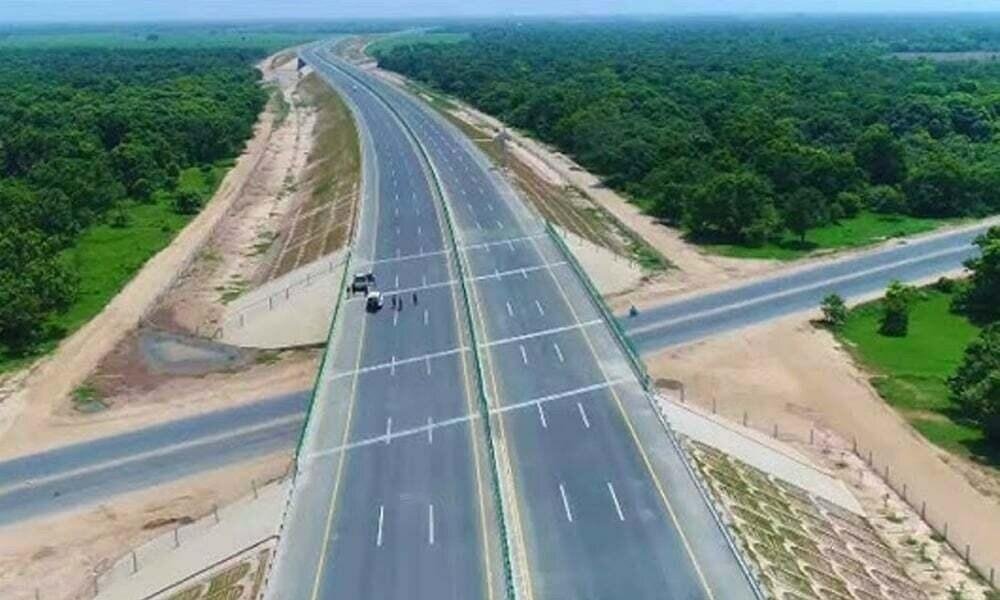
The construction of paved streets is another important component of the initiative. Improved internal roads can make a practical difference for schoolchildren, farmers, small business owners and workers travelling between villages and nearby towns. Better access routes may also support local commercial activities by facilitating the movement of agricultural products, goods and essential services.

For rural households, improved streets can reduce travel difficulties and make healthcare and educational facilities more accessible. The potential benefits are particularly relevant for settlements where inadequate road conditions disrupt everyday activities and limit economic opportunities.

From a real estate perspective, the programme differs substantially from conventional private housing development. It seeks to improve infrastructure within existing communities instead of establishing new housing societies or converting agricultural land into planned residential colonies.

Better public facilities may improve the residential environment and functionality of village properties. Nevertheless, infrastructure upgrades do not automatically translate into higher property prices. Land values remain influenced by location, ownership documentation, demand, accessibility, income levels and wider market conditions.

The initiative also offers an opportunity to reconsider how rural public infrastructure is planned and maintained. Construction quality, transparent procurement, realistic budgets and effective technical supervision will be crucial to achieving durable results. Poorly executed infrastructure works could create recurring maintenance costs without delivering lasting improvements.

The role of local administrations will therefore be especially important. Assistant Commissioners and Deputy Commissioners will need to coordinate participating departments, monitor construction progress and address implementation difficulties. Public reporting on expenditure, project milestones and completed works could further strengthen accountability.

Community participation should also extend beyond project selection. Women, older residents, children and people with disabilities may experience infrastructure problems differently. Ensuring their concerns are reflected in local planning could improve the programme's social impact and make public spaces more accessible.

Long-term maintenance represents another significant challenge. Roads, drains and sanitation facilities deteriorate when responsibilities for cleaning, repairs and financing are unclear. The government will need to establish practical arrangements for maintaining completed infrastructure so that the initial investment continues to benefit residents.

Although the pilot programme has been approved, important implementation details remain outstanding. The government has not yet publicly provided a comprehensive district-wise list of the 120 selected villages, the total development budget, individual funding allocations or confirmed completion deadlines.

Similarly, the decision to introduce the Khushhal Dehat Act 2026 should be distinguished from the formal enactment of legislation, which requires the relevant legal process.

Ultimately, the programme should be judged by measurable improvements rather than announcements alone. The quality of completed streets, effectiveness of drainage systems, accessibility of public facilities and satisfaction of local residents will determine whether the initiative achieves its objectives.

If the pilot delivers sustainable results and establishes an accountable model of village-level administration, it could provide a useful foundation for extending rural infrastructure improvements to additional communities across Punjab. Its real value will lie in creating villages where residents experience practical, lasting improvements in their everyday lives.

World Habitat Day: Three Billion People Worldwide Deprived of Adequate Housing. Why?

World Habitat Day: Three Billion People Worldwide Deprived of Adequate Housing. Why?

▫️ Muhammad Faisal Sulehria

World Habitat Day 2026 has been observed against the backdrop of a deepening global housing crisis in which safe, adequate and affordable shelter remains beyond the reach of billions of people.

10 Years Since Panama Papers, Offshore Secrecy Infrastructure Still Remains

10 Years Since Panama Papers, Offshore Secrecy Infrastructure Still Remains

▫️ Muhammad Faisal Sulehria

Ten years have passed since the Panama Papers exposed the scale and complexity of the global offshore financial system, yet the basic infrastructure that enables financial secrecy and anonymous ownership has not been completely dismantled.

New Provinces or Stronger Local Government? Pakistan Must Fix Governance Before Redrawing Its Map

New Provinces or Stronger Local Government? Pakistan Must Fix Governance Before Redrawing Its Map

▫️Muhammad Faisal Sulehria

Smaller provinces may improve administrative access, but without meaningful political, financial and administrative devolution, Pakistan risks creating more centres of power rather than bringing government closer to citizensPakistan’s go...

World Bank Downgrades Pakistan’s Barrage Project Over Weak Institutional Performance

World Bank Downgrades Pakistan’s Barrage Project Over Weak Institutional Performance

▫️ Muhammad Faisal Sulehria

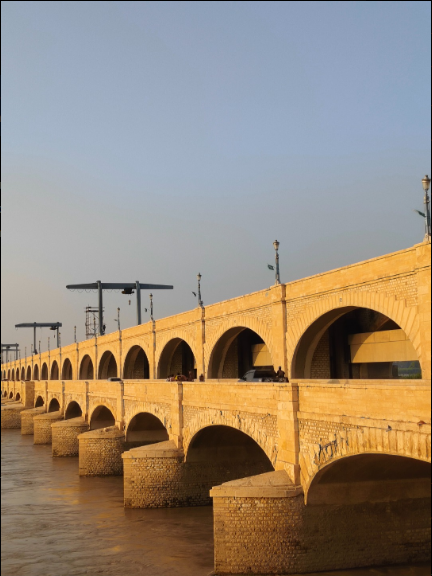
The $314.93 million Sindh Barrages Improvement Project has made substantial progress on physical rehabilitation and modernisation works at Guddu and Sukkur barrages. Yet the World Bank has downgraded the project’s development objective a...

Indus Waters Treaty : A Legal Boost for Pakistan’s Position and Growing Questions for India

Indus Waters Treaty : A Legal Boost for Pakistan’s Position and Growing Questions for India

▫️Muhammad Faisal Sulehria

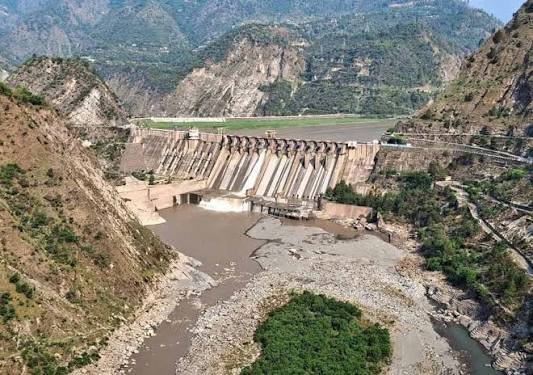
The Hague arbitration findings reinforce the treaty’s legal status and underline the importance of international agreements in managing water disputes between Pakistan and IndiaThe Indus Waters Treaty is far more than an agreement dividi...

Why Do We Still Prefer Thermal Power When Hydropower Is Cheaper and Available?

Why Do We Still Prefer Thermal Power When Hydropower Is Cheaper and Available?

▫️Muhammad Faisal Sulehria

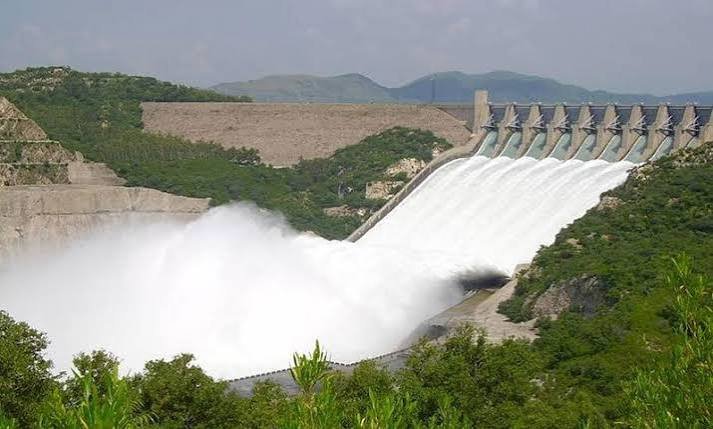
Pakistan’s power sector is facing a striking contradiction. On one side, hydropower generation has crossed 7,000 MW during the monsoon as higher river flows have improved water availability. On the other, Punjab is reportedly facing a po...

Solar Power Reaches 27% of Total Generation, Transforming the Traditional Infrastructure Model

Solar Power Reaches 27% of Total Generation, Transforming the Traditional Infrastructure Model

▫️Muhammad Faisal Sulehria

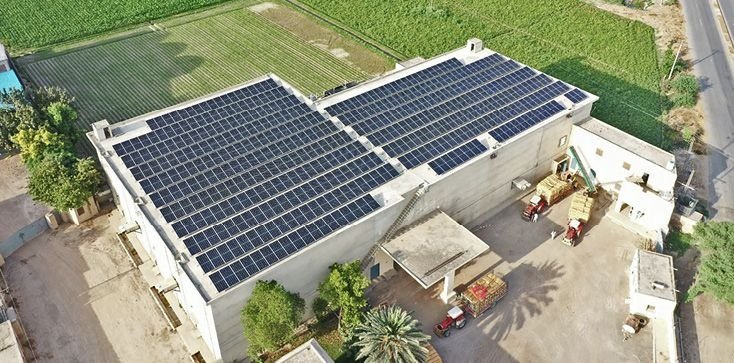
Pakistan’s rapidly expanding rooftop and distributed solar market is beginning to reshape not only the country’s energy system but also the economics of residential, commercial and industrial property. According to new analysis by the Pa...

Punjab’s Idle Public Assets: Can Government Property Become a New Source of Revenue and Development?

Punjab’s Idle Public Assets: Can Government Property Become a New Source of Revenue and Development?

▫️Muhammad Faisal Sulehria

Punjab’s decision to establish a dedicated authority for identifying, managing and generating value from underused public assets could represent an important development for both the province’s real estate sector and its public finances....

Punjab's Plan to Develop 120 Model Villages: A New Approach to Rural Infrastructure

Punjab's Plan to Develop 120 Model Villages: A New Approach to Rural Infrastructure

▫️ Muhammad Faisal Sulehria

The Punjab government's decision to approve a pilot programme for developing 120 model villages represents a significant policy initiative aimed at improving rural infrastructure, sanitation and basic public facilities.

The Punjab government's decision to approve a pilot programme for developing 120 model villages represents a significant policy initiative aimed at improving rural infrastructure, sanitation and basic public facilities. Rather than creating new residential developments, the programme focuses on upgrading existing villages by improving sewerage systems, drainage networks, paved streets and the overall living environment. Its long-term significance will depend on whether these improvements can be delivered efficiently, maintained sustainably and expanded to other rural communities.

Chief Minister Maryam Nawaz Sharif approved the initiative during a meeting held in Lahore on October 20, 2026. The government also decided to introduce the proposed Khushhal Dehat Act 2026, intended to establish a clearer administrative and legal framework for village-level development. The proposed legislation aims to strengthen local planning, organise public infrastructure projects and improve accountability in the management of development activities.

One of the programme's central features is the establishment of village committees to oversee implementation. Each committee will comprise eight members, including four public representatives and four government representatives. The relevant Assistant Commissioner will head the committee, while the Deputy Commissioner will supervise the village committees and development projects across the district.

The committees are expected to include representatives such as local school headteachers, Union Council Secretaries and doctors serving at Basic Health Units or Maryam Nawaz Health Clinics. Their participation is intended to help identify local requirements and provide a mechanism for coordinating infrastructure development with existing educational, healthcare and administrative institutions.

This administrative structure could strengthen community involvement in rural development. Infrastructure schemes are often less effective when projects are designed without sufficient consideration of residents' daily needs. A drainage system, for example, may not function adequately unless planners understand local water flow patterns, existing streets, settlement density and maintenance requirements. Village committees could help address such issues if community representation is meaningful and decisions remain transparent.

Drainage and sanitation improvements are particularly important in densely populated rural settlements. Inadequate wastewater disposal can leave streets waterlogged, disrupt daily movement and create unhygienic conditions. These difficulties often become more severe during periods of heavy rainfall, when poorly maintained drains and unpaved roads become major obstacles for residents.

By upgrading drainage infrastructure, the model-village programme could reduce standing wastewater and improve local living conditions. However, effective sanitation requires more than initial construction. Drainage channels must be appropriately designed, connected to suitable disposal systems and supported by regular cleaning and maintenance.

The construction of paved streets is another important component of the initiative. Improved internal roads can make a practical difference for schoolchildren, farmers, small business owners and workers travelling between villages and nearby towns. Better access routes may also support local commercial activities by facilitating the movement of agricultural products, goods and essential services.

For rural households, improved streets can reduce travel difficulties and make healthcare and educational facilities more accessible. The potential benefits are particularly relevant for settlements where inadequate road conditions disrupt everyday activities and limit economic opportunities.

From a real estate perspective, the programme differs substantially from conventional private housing development. It seeks to improve infrastructure within existing communities instead of establishing new housing societies or converting agricultural land into planned residential colonies.

Better public facilities may improve the residential environment and functionality of village properties. Nevertheless, infrastructure upgrades do not automatically translate into higher property prices. Land values remain influenced by location, ownership documentation, demand, accessibility, income levels and wider market conditions.

The initiative also offers an opportunity to reconsider how rural public infrastructure is planned and maintained. Construction quality, transparent procurement, realistic budgets and effective technical supervision will be crucial to achieving durable results. Poorly executed infrastructure works could create recurring maintenance costs without delivering lasting improvements.

The role of local administrations will therefore be especially important. Assistant Commissioners and Deputy Commissioners will need to coordinate participating departments, monitor construction progress and address implementation difficulties. Public reporting on expenditure, project milestones and completed works could further strengthen accountability.

Community participation should also extend beyond project selection. Women, older residents, children and people with disabilities may experience infrastructure problems differently. Ensuring their concerns are reflected in local planning could improve the programme's social impact and make public spaces more accessible.

Long-term maintenance represents another significant challenge. Roads, drains and sanitation facilities deteriorate when responsibilities for cleaning, repairs and financing are unclear. The government will need to establish practical arrangements for maintaining completed infrastructure so that the initial investment continues to benefit residents.

Although the pilot programme has been approved, important implementation details remain outstanding. The government has not yet publicly provided a comprehensive district-wise list of the 120 selected villages, the total development budget, individual funding allocations or confirmed completion deadlines.

Similarly, the decision to introduce the Khushhal Dehat Act 2026 should be distinguished from the formal enactment of legislation, which requires the relevant legal process.

Ultimately, the programme should be judged by measurable improvements rather than announcements alone. The quality of completed streets, effectiveness of drainage systems, accessibility of public facilities and satisfaction of local residents will determine whether the initiative achieves its objectives.

If the pilot delivers sustainable results and establishes an accountable model of village-level administration, it could provide a useful foundation for extending rural infrastructure improvements to additional communities across Punjab. Its real value will lie in creating villages where residents experience practical, lasting improvements in their everyday lives.

World Habitat Day: Three Billion People Worldwide Deprived of Adequate Housing. Why?

World Habitat Day: Three Billion People Worldwide Deprived of Adequate Housing. Why?

▫️ Muhammad Faisal Sulehria

World Habitat Day 2026 has been observed against the backdrop of a deepening global housing crisis in which safe, adequate and affordable shelter remains beyond the reach of billions of people.

10 Years Since Panama Papers, Offshore Secrecy Infrastructure Still Remains

10 Years Since Panama Papers, Offshore Secrecy Infrastructure Still Remains

▫️ Muhammad Faisal Sulehria

Ten years have passed since the Panama Papers exposed the scale and complexity of the global offshore financial system, yet the basic infrastructure that enables financial secrecy and anonymous ownership has not been completely dismantled.

New Provinces or Stronger Local Government? Pakistan Must Fix Governance Before Redrawing Its Map

New Provinces or Stronger Local Government? Pakistan Must Fix Governance Before Redrawing Its Map

▫️Muhammad Faisal Sulehria

Smaller provinces may improve administrative access, but without meaningful political, financial and administrative devolution, Pakistan risks creating more centres of power rather than bringing government closer to citizensPakistan’s go...

World Bank Downgrades Pakistan’s Barrage Project Over Weak Institutional Performance

World Bank Downgrades Pakistan’s Barrage Project Over Weak Institutional Performance

▫️ Muhammad Faisal Sulehria

The $314.93 million Sindh Barrages Improvement Project has made substantial progress on physical rehabilitation and modernisation works at Guddu and Sukkur barrages. Yet the World Bank has downgraded the project’s development objective a...

Indus Waters Treaty : A Legal Boost for Pakistan’s Position and Growing Questions for India

Indus Waters Treaty : A Legal Boost for Pakistan’s Position and Growing Questions for India

▫️Muhammad Faisal Sulehria

The Hague arbitration findings reinforce the treaty’s legal status and underline the importance of international agreements in managing water disputes between Pakistan and IndiaThe Indus Waters Treaty is far more than an agreement dividi...

Why Do We Still Prefer Thermal Power When Hydropower Is Cheaper and Available?

Why Do We Still Prefer Thermal Power When Hydropower Is Cheaper and Available?

▫️Muhammad Faisal Sulehria

Pakistan’s power sector is facing a striking contradiction. On one side, hydropower generation has crossed 7,000 MW during the monsoon as higher river flows have improved water availability. On the other, Punjab is reportedly facing a po...

Solar Power Reaches 27% of Total Generation, Transforming the Traditional Infrastructure Model

Solar Power Reaches 27% of Total Generation, Transforming the Traditional Infrastructure Model

▫️Muhammad Faisal Sulehria

Pakistan’s rapidly expanding rooftop and distributed solar market is beginning to reshape not only the country’s energy system but also the economics of residential, commercial and industrial property. According to new analysis by the Pa...

Punjab’s Idle Public Assets: Can Government Property Become a New Source of Revenue and Development?

Punjab’s Idle Public Assets: Can Government Property Become a New Source of Revenue and Development?

▫️Muhammad Faisal Sulehria

Punjab’s decision to establish a dedicated authority for identifying, managing and generating value from underused public assets could represent an important development for both the province’s real estate sector and its public finances....

More Real Estate News

National Real Estate News

See All →

City and District Real Estate News

See All →

Global Real Estate News

See All →

Corporate Real Estate News

See All →

Social Real Estate News

See All →

Arazi Nama

See All →