Lahore | Muhammad Faisal Salahria ReNews Lahore
Pakistan’s cement industry is closing fiscal year 2025 26 on a relatively stronger footing, but the pace of growth remains limited. Total cement dispatches during the year are expected to cross 50 million tonnes, around 7 percent higher than the previous fiscal year.
Industry estimates suggest that the improvement is being driven mainly by domestic demand. Local dispatches are expected to rise by nearly 9 percent, while exports may decline by around 3 percent. Lower inflation, easing interest rates and improving business confidence have helped revive private construction activity to some extent.
However, the cement sector continues to face a major structural challenge. Production capacity expanded rapidly in recent years, but consumption did not grow at the same pace. Capacity utilisation is expected to improve from 56 percent last year to around 59 percent this year, still below the 65 percent level generally considered healthy for the industry.
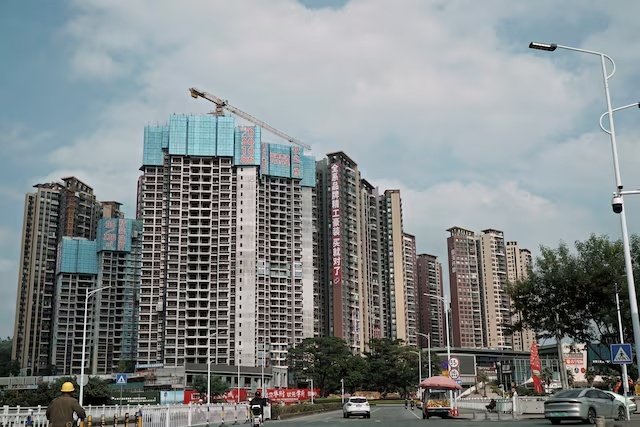
During the peak of construction activity linked to the China Pakistan Economic Corridor and the housing incentives under the Naya Pakistan Housing Programme, cement manufacturers expanded their production lines aggressively. But economic instability, political uncertainty and repeated stabilisation programmes slowed construction activity before the new capacity could be fully absorbed.
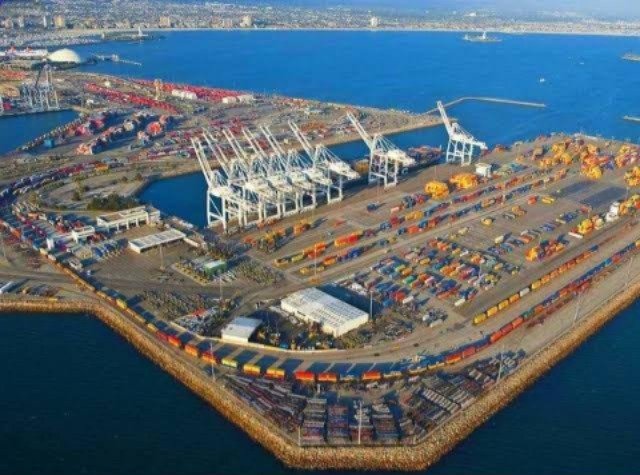
Exports are also no longer providing the same level of support. Rising regional competition, freight costs and less favourable economic conditions have affected overseas dispatches, particularly for cement producers in southern Pakistan that depend on sea routes for exports.
Analysts believe the renewed focus on the domestic market is commercially more attractive for cement manufacturers, as local sales usually offer better pricing power and lower logistics costs. At the same time, it means the industry is now more dependent on Pakistan’s own construction cycle, public development spending and housing activity.
In the fiscal year 2026- 27 budget, the government has announced several tax measures aimed at supporting construction and real estate activity. A subsidised housing finance scheme is also expected to encourage home ownership. Still, weak housing affordability, limited household income growth, tax pressures and constrained public development spending remain key obstacles.
Industry observers say local demand is unlikely to grow fast enough in the near term to absorb Pakistan’s surplus cement capacity. However, major cement companies have focused in recent years on strengthening balance sheets, reducing production costs and diversifying export markets where possible.
For the sector, the more important requirement now may not be another temporary construction boom, but a stable economy that can generate steady domestic demand every year. Such a path could provide a stronger and more sustainable base for the industry, even if surplus capacity continues to cast a shadow over the market for some time.
The recovery in cement dispatches is encouraging, but it does not yet signal a full construction boom. The key question is whether domestic construction demand can remain steady. Lower interest rates, housing finance and budget incentives may support gradual improvement, but surplus production capacity is likely to remain a challenge in the near future

Published: July 3, 2026 - 11:01 AM
Cement Industry Stabilises, But Growth Momentum Remains Limited
سیمنٹ صنعت مستحکم، مگر اسے بوم نہیں کہا جا سکتا
▫️Total cement dispatches for last fiscal year were exceed 50 million tonnes as local demand improves, but surplus production capacity continues to weigh on the industry
Lahore | Muhammad Faisal Salahria ReNews LahorePakistan’s cement industry is closing fiscal year 2025 26 on a relatively stronger footing, but the pace of growth remains limited. Total cement dispatches during the year are expected to cr...