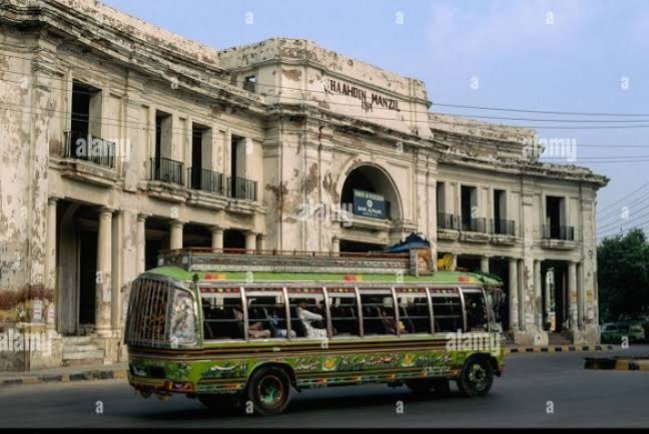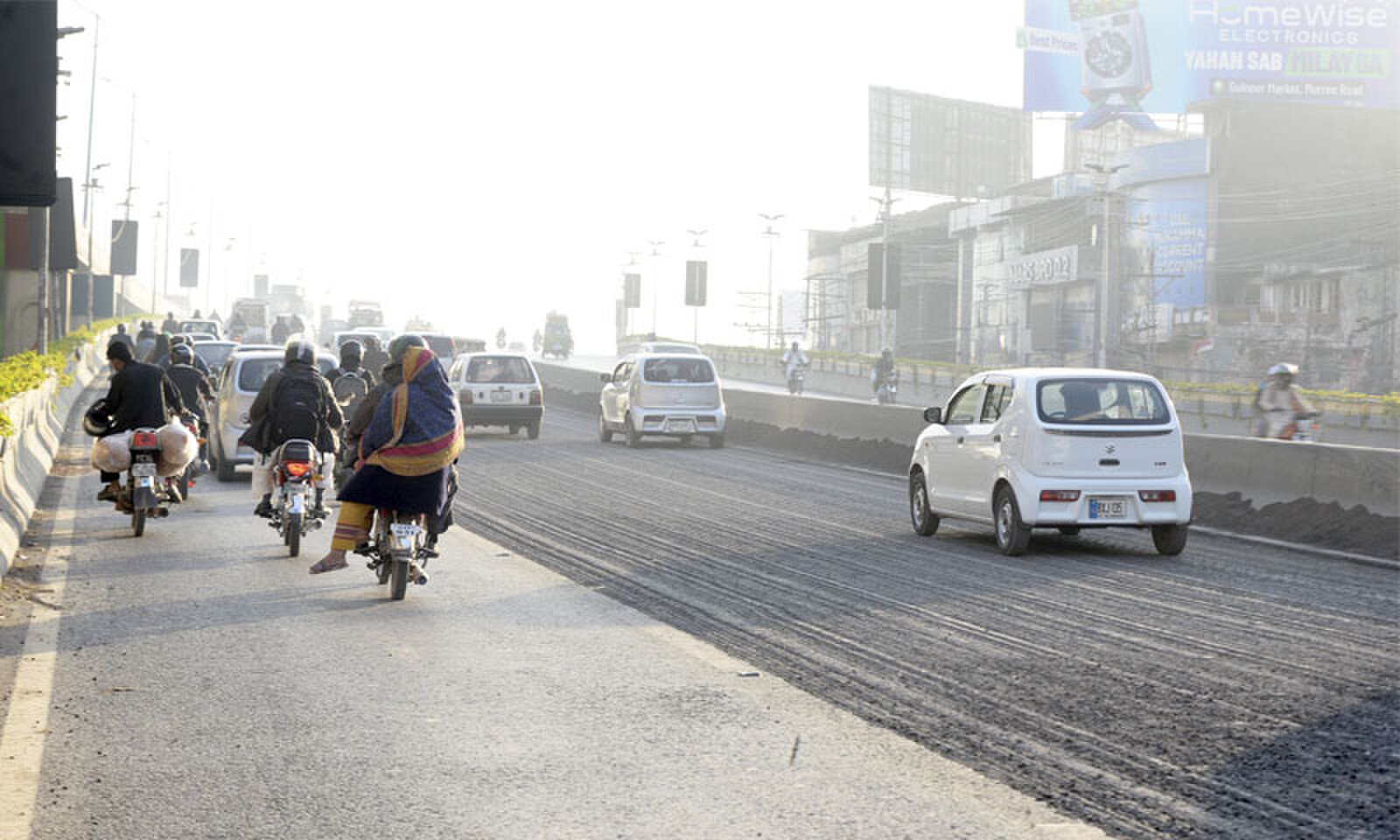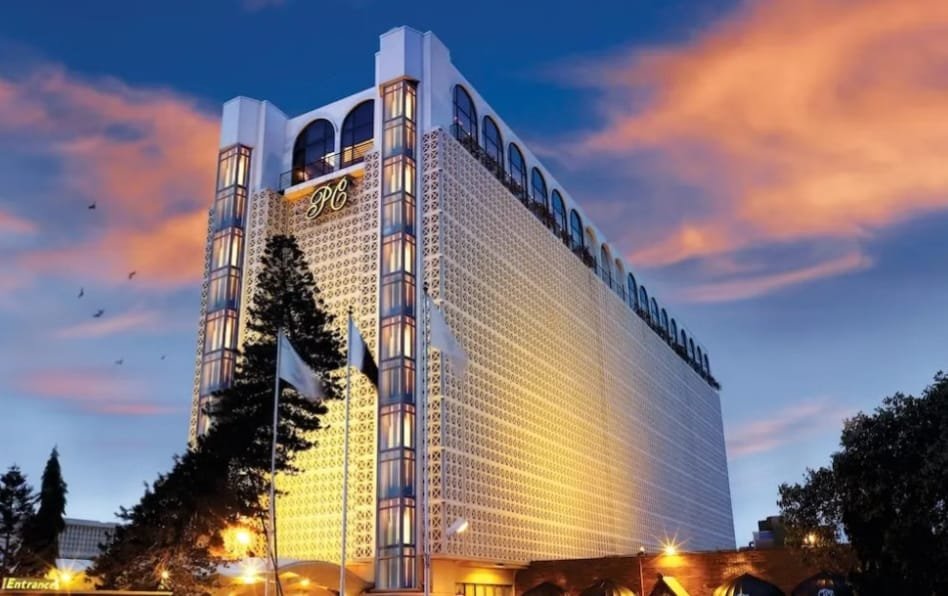
Karachi’s inclusion in the latest list of the world’s least liveable cities should not surprise anyone. Karachi ranks at 170 out of 173 global cities; the cities which are least livable. For decades, the city has struggled with water shortages, damaged roads, inadequate public transport, poor sanitation, unplanned construction and weak municipal services.
The issue, however, extends far beyond international rankings or the daily inconvenience faced by residents. A city’s liveability has a direct impact on its real estate market, the actual value of its properties, rental demand, construction activity and long term investment potential.
People do not simply purchase a house, apartment or plot. They also purchase access to roads, water, sewerage, electricity, transport, schools, hospitals, security and employment. When these basic services remain unreliable, even expensive properties and modern housing projects become less secure and less sustainable investments.
The Economist Intelligence Unit’s latest Global Liveability Index places numbers against conditions Karachi’s residents experience every day. Traffic congestion, inadequate healthcare, deteriorating infrastructure, poor public services and continuing concerns about stability have all weakened the city’s overall quality of life.
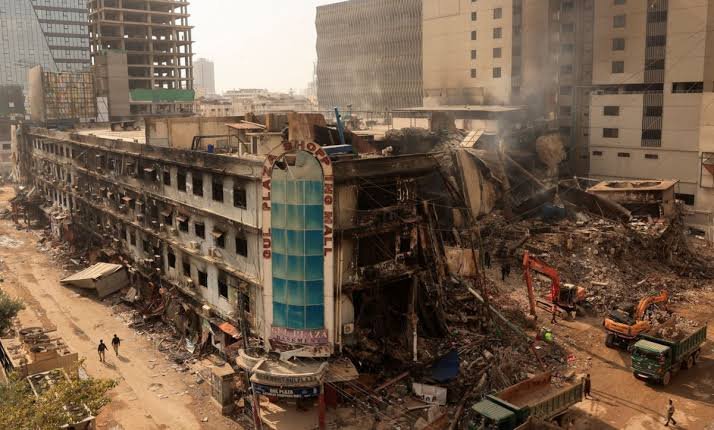
From a real estate perspective, this raises several important questions. Does a high property price necessarily represent genuine value? Can a housing project be considered successful when residents must purchase water through private tankers? Is an apartment a safe investment when fire safety, parking, drainage and emergency access remain inadequate?
A widening gap has developed between property prices and the quality of urban life in Karachi. Homes, apartments and plots have become more expensive in many areas, but public infrastructure has not improved at the same pace. Buyers often pay a high price for property and then spend additional money on water, electricity backup, security, transport and private maintenance.
The latest delay affecting the K Four water supply project is a clear example of the wider problem. The project was launched to provide relief to a city facing a severe water shortage. Its first phase is now expected to be completed by the end of 2029 because of legal obstacles, weak coordination among institutions and implementation difficulties.
By the time the project is completed, Karachi’s population and water demand will have increased further. There is a real possibility that the planned capacity, considered adequate when the project was designed, may no longer be enough to meet the city’s needs.
Water shortages have a direct impact on property markets. They increase the cost of living, encourage tenants to search for alternative areas, make building maintenance more difficult and force developers to arrange expensive private infrastructure. In some neighbourhoods, property prices continue to rise on paper while the true cost of living in those properties also increases sharply.
Pakistan has developed a troubling pattern in the delivery of major infrastructure projects. A crisis is first recognised, a project is announced and work begins. The project then faces funding shortages, legal disputes, administrative disagreements and repeated reviews. By the time it is completed, the original problem has often become much larger.
Such delays are especially damaging for Karachi because it is not an ordinary city. It is Pakistan’s largest urban centre, its main port, financial capital and leading commercial hub. Failures involving Karachi’s roads, water, transport and municipal systems affect not only local residents but also industry, trade, employment and the wider national economy.
Traffic congestion raises the cost of moving people and goods. Water shortages increase operating costs for industries and housing projects. Damaged roads reduce access to commercial districts, while unreliable municipal services weaken the confidence of local and foreign investors.
These conditions affect both residential and commercial property. Areas with better roads, water, drainage and public transport generally attract stronger demand. Areas with poor infrastructure face uncertain property values, higher construction costs and greater investment risks.
A recent discussion before a parliamentary committee highlighted the continuing shortage of funding for important development projects. Lawmakers from Sindh again raised concerns about inadequate federal allocations, while officials acknowledged that financial constraints repeatedly disrupt ongoing schemes.
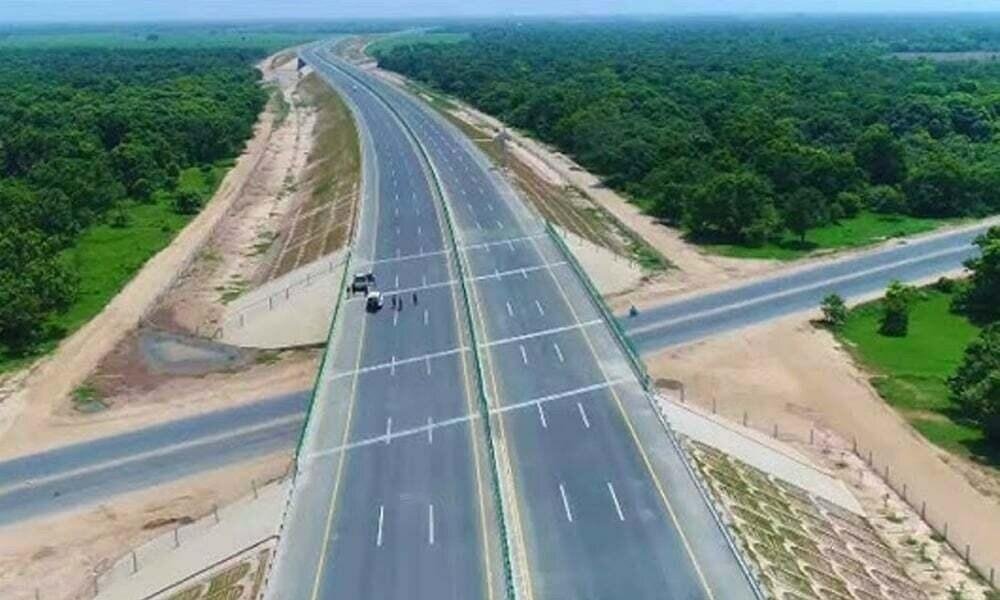
Whether the issue involves the K Four project, the M Six motorway or another major transport and infrastructure programme, repeated delays also create uncertainty in real estate planning. Developers, buyers and investors frequently make decisions on the assumption that promised roads, transport links or utilities will be completed on time. When deadlines are repeatedly revised, those property decisions are also affected.
Karachi’s institutional structure is another major part of the problem. Responsibility for land, construction, water, roads, sanitation, transport and building control is divided among several agencies. When authority is fragmented, accountability becomes weak.
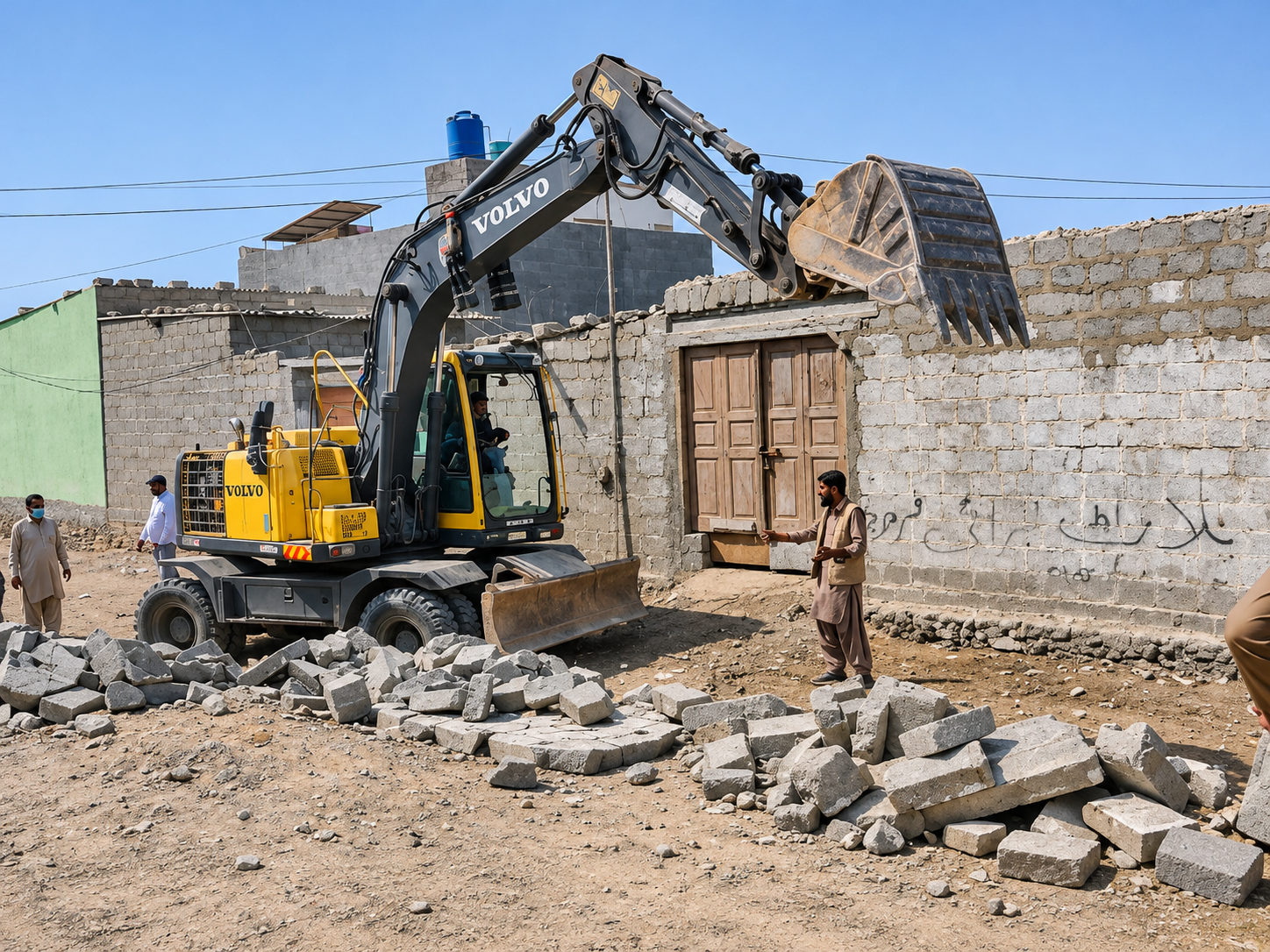
This institutional division contributes to unplanned urban expansion, illegal construction, poor building control, weak master planning and the uncontrolled conversion of residential areas into commercial zones.
Karachi’s residents and businesses deserve better. In a city that supports a large share of Pakistan’s economy, clean water, functioning transport, safe buildings, sanitation and dependable municipal services should be treated as basic requirements rather than optional improvements.
The latest liveability ranking should not be viewed only as an international embarrassment. It is also a domestic question of accountability. Reports have been written, committees have been formed, projects have been announced and completion dates have been repeatedly revised. Yet the expected improvement in daily urban life has not followed.
Karachi does not need another diagnosis. It needs effective urban governance, a clear and enforceable master plan, consistent infrastructure investment and meaningful coordination between the institutions responsible for running the city.
Sustainable real estate growth will only be possible when improvements in property prices are matched by improvements in living standards. The true value of a city is not created only by high rise buildings, expensive plots and new developments. It is created by water, roads, transport, safety and effective urban management.
Until these basic issues are addressed, Karachi’s weak position in global liveability rankings will not be an unexpected outcome. It will remain the predictable result of decades of inadequate planning, administrative neglect and insufficient investment in essential urban infrastructure.

Published: July 21, 2026 - 4:19 PM
Karachi’s Inclusion Among the World’s Least Liveable Cities Is No Surprise
کراچی کا ناقابل رہائش شہروں کی فہرست میں چوتھے نمبر پر ہونا باعث حیرت نہیں
Muhammad Faisal Sulehria
Karachi’s inclusion in the latest list of the world’s least liveable cities should not surprise anyone. Karachi ranks at 170 out of 173 global cities; the cities which are least livable. For decades, the city has struggled with water sho...