ReNews Pakistan
← Back to home

Real Estate Insights

27 news articles

Taxila’s Historic Heritage Must Be Conserved, Not Recreated : Warns UNESCO

Taxila’s Historic Heritage Must Be Conserved, Not Recreated : Warns UNESCO

▫️Muhammad Faisal Sulehria

The controversy surrounding recent conservation work at Mohra Moradu and Sirkap raises a question that goes far beyond two archaeological locations: should ancient remains be altered in an effort to protect them, or should conservation f...

The controversy surrounding recent conservation work at Mohra Moradu and Sirkap raises a question that goes far beyond two archaeological locations: should ancient remains be altered in an effort to protect them, or should conservation focus on preserving the original material that has survived through centuries?
This is not simply a disagreement between a provincial department and an international organisation. It concerns Pakistan’s approach to heritage management, urban planning, land use and the treatment of cultural assets that cannot be replaced once their original character is lost.
Taxila was inscribed on the World Heritage List in 1980. It is not a single monument but a serial property consisting of 18 archaeological components. Sirkap provides important evidence of the evolution of urban settlements in the region, while Mohra Moradu represents the Buddhist monastic culture that once flourished across the Taxila valley. UNESCO describes Taxila as one of the most important archaeological sites in Asia.
The current dispute emerged after reports that surviving ancient masonry had been replaced with new construction in some places and that the height of original walls had been increased. According to reports citing officials and UNESCO discussions, the organisation asked Pakistan to reverse interventions considered harmful to the authenticity and integrity of the sites and to submit detailed records of the work. The reports also warned that a failure to take corrective action could place Taxila on the List of World Heritage in Danger.
The Punjab Archaeology Department rejects the description of the work as reconstruction. It maintains that the interventions were intended to stabilise vulnerable remains, prevent further deterioration and protect the sites from environmental damage. The department also says that national and international experts were given a detailed technical presentation during a recent joint visit. Its position deserves to be heard and assessed fairly.
However, good intentions alone cannot determine whether work at an archaeological site is acceptable. Every intervention must be justified through scientific evidence, appropriate materials, detailed documentation and professional accountability.
UNESCO’s operational guidance states that reconstruction of archaeological remains or historic buildings is justified only in exceptional circumstances. It must be based on complete and detailed documentation and must not rely on conjecture. Authenticity is not limited to visual appearance; it is also expressed through original form, design, materials, construction techniques, location and historical setting.
The purpose of archaeological conservation is therefore not to make ruins appear taller, more complete or more visually attractive. An incomplete wall may itself be an authentic historical record. Adding new masonry may improve the site’s appearance, but it becomes problematic when the intervention hides the original limits of the structure, replaces ancient material or makes it difficult for visitors and researchers to distinguish evidence from modern addition.
At the same time, the genuine conservation challenges facing Taxila should not be underestimated. Its exposed remains are vulnerable to extreme weather, vegetation, earthquakes, industrial expansion, quarrying and illegal excavation. Technical intervention may therefore be necessary in some places. The central question is not whether intervention should ever occur, but how much should be done, which materials should be used, whether the work is reversible and whether every decision is properly recorded.
The most credible response from the authorities would be complete transparency. Conservation plans, heritage impact assessments, before and after photographs, technical drawings, laboratory testing of materials, compatibility studies and archaeological research records should be placed before independent specialists and, where appropriate, made publicly accessible. UNESCO reportedly requested this specific documentation in relation to the work at Mohra Moradu and Sirkap.
An independent review panel should include archaeologists, conservation architects, structural engineers, geologists, material scientists, urban planners and heritage law specialists. Its task should be to distinguish essential stabilisation from excessive intervention, identify any additions that threaten the original fabric and recommend which measures can safely be reversed.
The present dispute also exposes a wider institutional weakness. Decisions concerning nationally and internationally significant heritage properties should not depend solely on the discretion of an individual department or project team. Work should begin only after a formal heritage impact assessment, multidisciplinary approval, full photographic recording and consultation with relevant international bodies.
Taxila has faced similar risks before. An attempt to construct a stadium within Bhir Mound in 1998 threatened another component of the World Heritage property. A subsequent UNESCO mission described the decision as a serious mistake and called for impact assessments, defined buffer zones, coordination with planning agencies and an overall management strategy for Taxila.
Nearly three decades later, the reappearance of comparable concerns suggests that the issue is institutional rather than isolated. Pakistan needs enforceable conservation procedures that require independent scrutiny before work begins, rather than investigation and corrective action after potentially irreversible interventions have already been completed.
Taxila’s value does not depend on whether its ruins look new, complete or impressive to visitors. Its importance lies in the credibility of the stones, foundations, streets and surviving walls as genuine evidence of the civilisations that shaped the region.
The government should therefore avoid treating the matter as a contest of institutional authority or national prestige. It should approach it as a responsibility to future generations. Where irreplaceable cultural heritage is at risk, transparency, scientific conservation, minimum intervention and compliance with recognised international standards must take priority over visual improvement, tourism promotion or short term development targets.
Punjab's Plan to Develop 120 Model Villages: A New Approach to Rural Infrastructure

Punjab's Plan to Develop 120 Model Villages: A New Approach to Rural Infrastructure

▫️ Muhammad Faisal Sulehria

The Punjab government's decision to approve a pilot programme for developing 120 model villages represents a significant policy initiative aimed at improving rural infrastructure, sanitation and basic public facilities.

World Habitat Day: Three Billion People Worldwide Deprived of Adequate Housing. Why?

World Habitat Day: Three Billion People Worldwide Deprived of Adequate Housing. Why?

▫️ Muhammad Faisal Sulehria

World Habitat Day 2026 has been observed against the backdrop of a deepening global housing crisis in which safe, adequate and affordable shelter remains beyond the reach of billions of people.

10 Years Since Panama Papers, Offshore Secrecy Infrastructure Still Remains

10 Years Since Panama Papers, Offshore Secrecy Infrastructure Still Remains

▫️ Muhammad Faisal Sulehria

Ten years have passed since the Panama Papers exposed the scale and complexity of the global offshore financial system, yet the basic infrastructure that enables financial secrecy and anonymous ownership has not been completely dismantled.

New Provinces or Stronger Local Government? Pakistan Must Fix Governance Before Redrawing Its Map

New Provinces or Stronger Local Government? Pakistan Must Fix Governance Before Redrawing Its Map

▫️Muhammad Faisal Sulehria

Smaller provinces may improve administrative access, but without meaningful political, financial and administrative devolution, Pakistan risks creating more centres of power rather than bringing government closer to citizensPakistan’s go...

World Bank Downgrades Pakistan’s Barrage Project Over Weak Institutional Performance

World Bank Downgrades Pakistan’s Barrage Project Over Weak Institutional Performance

▫️ Muhammad Faisal Sulehria

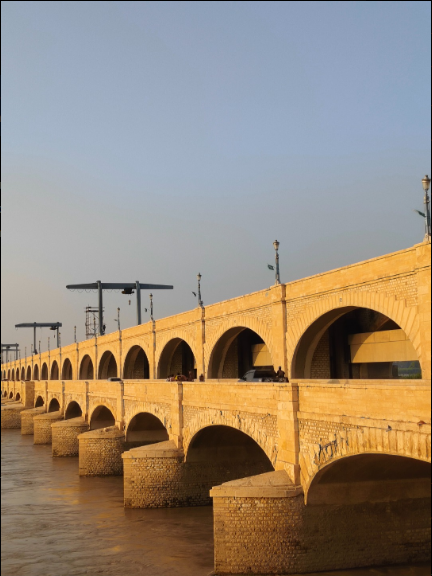
The $314.93 million Sindh Barrages Improvement Project has made substantial progress on physical rehabilitation and modernisation works at Guddu and Sukkur barrages. Yet the World Bank has downgraded the project’s development objective a...

Indus Waters Treaty : A Legal Boost for Pakistan’s Position and Growing Questions for India

Indus Waters Treaty : A Legal Boost for Pakistan’s Position and Growing Questions for India

▫️Muhammad Faisal Sulehria

The Hague arbitration findings reinforce the treaty’s legal status and underline the importance of international agreements in managing water disputes between Pakistan and IndiaThe Indus Waters Treaty is far more than an agreement dividi...

Why Do We Still Prefer Thermal Power When Hydropower Is Cheaper and Available?

Why Do We Still Prefer Thermal Power When Hydropower Is Cheaper and Available?

▫️Muhammad Faisal Sulehria

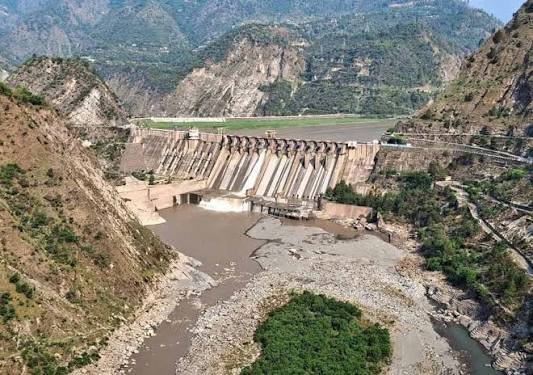
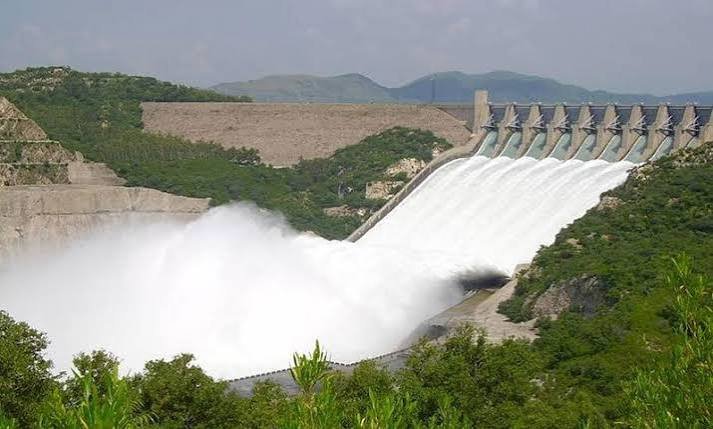
Pakistan’s power sector is facing a striking contradiction. On one side, hydropower generation has crossed 7,000 MW during the monsoon as higher river flows have improved water availability. On the other, Punjab is reportedly facing a po...

Solar Power Reaches 27% of Total Generation, Transforming the Traditional Infrastructure Model

Solar Power Reaches 27% of Total Generation, Transforming the Traditional Infrastructure Model

▫️Muhammad Faisal Sulehria

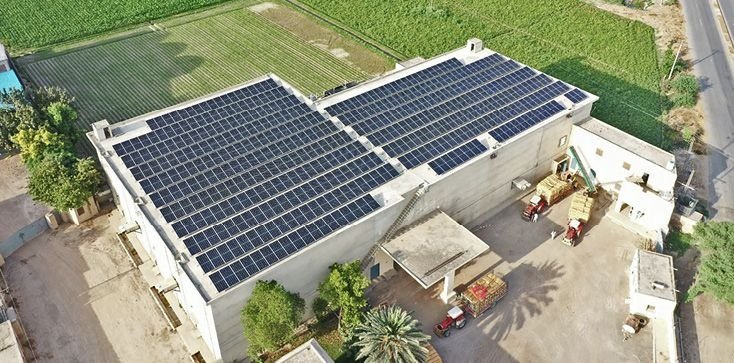
Pakistan’s rapidly expanding rooftop and distributed solar market is beginning to reshape not only the country’s energy system but also the economics of residential, commercial and industrial property. According to new analysis by the Pa...

Punjab’s Idle Public Assets: Can Government Property Become a New Source of Revenue and Development?

Punjab’s Idle Public Assets: Can Government Property Become a New Source of Revenue and Development?

▫️Muhammad Faisal Sulehria

Punjab’s decision to establish a dedicated authority for identifying, managing and generating value from underused public assets could represent an important development for both the province’s real estate sector and its public finances....

Taxila’s Historic Heritage Must Be Conserved, Not Recreated : Warns UNESCO

Taxila’s Historic Heritage Must Be Conserved, Not Recreated : Warns UNESCO

▫️Muhammad Faisal Sulehria

The controversy surrounding recent conservation work at Mohra Moradu and Sirkap raises a question that goes far beyond two archaeological locations: should ancient remains be altered in an effort to protect them, or should conservation f...


The controversy surrounding recent conservation work at Mohra Moradu and Sirkap raises a question that goes far beyond two archaeological locations: should ancient remains be altered in an effort to protect them, or should conservation focus on preserving the original material that has survived through centuries?
This is not simply a disagreement between a provincial department and an international organisation. It concerns Pakistan’s approach to heritage management, urban planning, land use and the treatment of cultural assets that cannot be replaced once their original character is lost.
Taxila was inscribed on the World Heritage List in 1980. It is not a single monument but a serial property consisting of 18 archaeological components. Sirkap provides important evidence of the evolution of urban settlements in the region, while Mohra Moradu represents the Buddhist monastic culture that once flourished across the Taxila valley. UNESCO describes Taxila as one of the most important archaeological sites in Asia.
The current dispute emerged after reports that surviving ancient masonry had been replaced with new construction in some places and that the height of original walls had been increased. According to reports citing officials and UNESCO discussions, the organisation asked Pakistan to reverse interventions considered harmful to the authenticity and integrity of the sites and to submit detailed records of the work. The reports also warned that a failure to take corrective action could place Taxila on the List of World Heritage in Danger.
The Punjab Archaeology Department rejects the description of the work as reconstruction. It maintains that the interventions were intended to stabilise vulnerable remains, prevent further deterioration and protect the sites from environmental damage. The department also says that national and international experts were given a detailed technical presentation during a recent joint visit. Its position deserves to be heard and assessed fairly.
However, good intentions alone cannot determine whether work at an archaeological site is acceptable. Every intervention must be justified through scientific evidence, appropriate materials, detailed documentation and professional accountability.
UNESCO’s operational guidance states that reconstruction of archaeological remains or historic buildings is justified only in exceptional circumstances. It must be based on complete and detailed documentation and must not rely on conjecture. Authenticity is not limited to visual appearance; it is also expressed through original form, design, materials, construction techniques, location and historical setting.
The purpose of archaeological conservation is therefore not to make ruins appear taller, more complete or more visually attractive. An incomplete wall may itself be an authentic historical record. Adding new masonry may improve the site’s appearance, but it becomes problematic when the intervention hides the original limits of the structure, replaces ancient material or makes it difficult for visitors and researchers to distinguish evidence from modern addition.
At the same time, the genuine conservation challenges facing Taxila should not be underestimated. Its exposed remains are vulnerable to extreme weather, vegetation, earthquakes, industrial expansion, quarrying and illegal excavation. Technical intervention may therefore be necessary in some places. The central question is not whether intervention should ever occur, but how much should be done, which materials should be used, whether the work is reversible and whether every decision is properly recorded.
The most credible response from the authorities would be complete transparency. Conservation plans, heritage impact assessments, before and after photographs, technical drawings, laboratory testing of materials, compatibility studies and archaeological research records should be placed before independent specialists and, where appropriate, made publicly accessible. UNESCO reportedly requested this specific documentation in relation to the work at Mohra Moradu and Sirkap.
An independent review panel should include archaeologists, conservation architects, structural engineers, geologists, material scientists, urban planners and heritage law specialists. Its task should be to distinguish essential stabilisation from excessive intervention, identify any additions that threaten the original fabric and recommend which measures can safely be reversed.
The present dispute also exposes a wider institutional weakness. Decisions concerning nationally and internationally significant heritage properties should not depend solely on the discretion of an individual department or project team. Work should begin only after a formal heritage impact assessment, multidisciplinary approval, full photographic recording and consultation with relevant international bodies.
Taxila has faced similar risks before. An attempt to construct a stadium within Bhir Mound in 1998 threatened another component of the World Heritage property. A subsequent UNESCO mission described the decision as a serious mistake and called for impact assessments, defined buffer zones, coordination with planning agencies and an overall management strategy for Taxila.
Nearly three decades later, the reappearance of comparable concerns suggests that the issue is institutional rather than isolated. Pakistan needs enforceable conservation procedures that require independent scrutiny before work begins, rather than investigation and corrective action after potentially irreversible interventions have already been completed.
Taxila’s value does not depend on whether its ruins look new, complete or impressive to visitors. Its importance lies in the credibility of the stones, foundations, streets and surviving walls as genuine evidence of the civilisations that shaped the region.
The government should therefore avoid treating the matter as a contest of institutional authority or national prestige. It should approach it as a responsibility to future generations. Where irreplaceable cultural heritage is at risk, transparency, scientific conservation, minimum intervention and compliance with recognised international standards must take priority over visual improvement, tourism promotion or short term development targets.
Punjab's Plan to Develop 120 Model Villages: A New Approach to Rural Infrastructure

Punjab's Plan to Develop 120 Model Villages: A New Approach to Rural Infrastructure

▫️ Muhammad Faisal Sulehria

The Punjab government's decision to approve a pilot programme for developing 120 model villages represents a significant policy initiative aimed at improving rural infrastructure, sanitation and basic public facilities.

World Habitat Day: Three Billion People Worldwide Deprived of Adequate Housing. Why?

World Habitat Day: Three Billion People Worldwide Deprived of Adequate Housing. Why?

▫️ Muhammad Faisal Sulehria

World Habitat Day 2026 has been observed against the backdrop of a deepening global housing crisis in which safe, adequate and affordable shelter remains beyond the reach of billions of people.

10 Years Since Panama Papers, Offshore Secrecy Infrastructure Still Remains

10 Years Since Panama Papers, Offshore Secrecy Infrastructure Still Remains

▫️ Muhammad Faisal Sulehria

Ten years have passed since the Panama Papers exposed the scale and complexity of the global offshore financial system, yet the basic infrastructure that enables financial secrecy and anonymous ownership has not been completely dismantled.

New Provinces or Stronger Local Government? Pakistan Must Fix Governance Before Redrawing Its Map

New Provinces or Stronger Local Government? Pakistan Must Fix Governance Before Redrawing Its Map

▫️Muhammad Faisal Sulehria

Smaller provinces may improve administrative access, but without meaningful political, financial and administrative devolution, Pakistan risks creating more centres of power rather than bringing government closer to citizensPakistan’s go...

World Bank Downgrades Pakistan’s Barrage Project Over Weak Institutional Performance

World Bank Downgrades Pakistan’s Barrage Project Over Weak Institutional Performance

▫️ Muhammad Faisal Sulehria

The $314.93 million Sindh Barrages Improvement Project has made substantial progress on physical rehabilitation and modernisation works at Guddu and Sukkur barrages. Yet the World Bank has downgraded the project’s development objective a...

Indus Waters Treaty : A Legal Boost for Pakistan’s Position and Growing Questions for India

Indus Waters Treaty : A Legal Boost for Pakistan’s Position and Growing Questions for India

▫️Muhammad Faisal Sulehria

The Hague arbitration findings reinforce the treaty’s legal status and underline the importance of international agreements in managing water disputes between Pakistan and IndiaThe Indus Waters Treaty is far more than an agreement dividi...

Why Do We Still Prefer Thermal Power When Hydropower Is Cheaper and Available?

Why Do We Still Prefer Thermal Power When Hydropower Is Cheaper and Available?

▫️Muhammad Faisal Sulehria

Pakistan’s power sector is facing a striking contradiction. On one side, hydropower generation has crossed 7,000 MW during the monsoon as higher river flows have improved water availability. On the other, Punjab is reportedly facing a po...

Solar Power Reaches 27% of Total Generation, Transforming the Traditional Infrastructure Model

Solar Power Reaches 27% of Total Generation, Transforming the Traditional Infrastructure Model

▫️Muhammad Faisal Sulehria

Pakistan’s rapidly expanding rooftop and distributed solar market is beginning to reshape not only the country’s energy system but also the economics of residential, commercial and industrial property. According to new analysis by the Pa...

Punjab’s Idle Public Assets: Can Government Property Become a New Source of Revenue and Development?

Punjab’s Idle Public Assets: Can Government Property Become a New Source of Revenue and Development?

▫️Muhammad Faisal Sulehria

Punjab’s decision to establish a dedicated authority for identifying, managing and generating value from underused public assets could represent an important development for both the province’s real estate sector and its public finances....

More Real Estate News

National Real Estate News

See All →

City and District Real Estate News

See All →

Global Real Estate News

See All →

Corporate Real Estate News

See All →

Social Real Estate News

See All →

Arazi Nama

See All →